

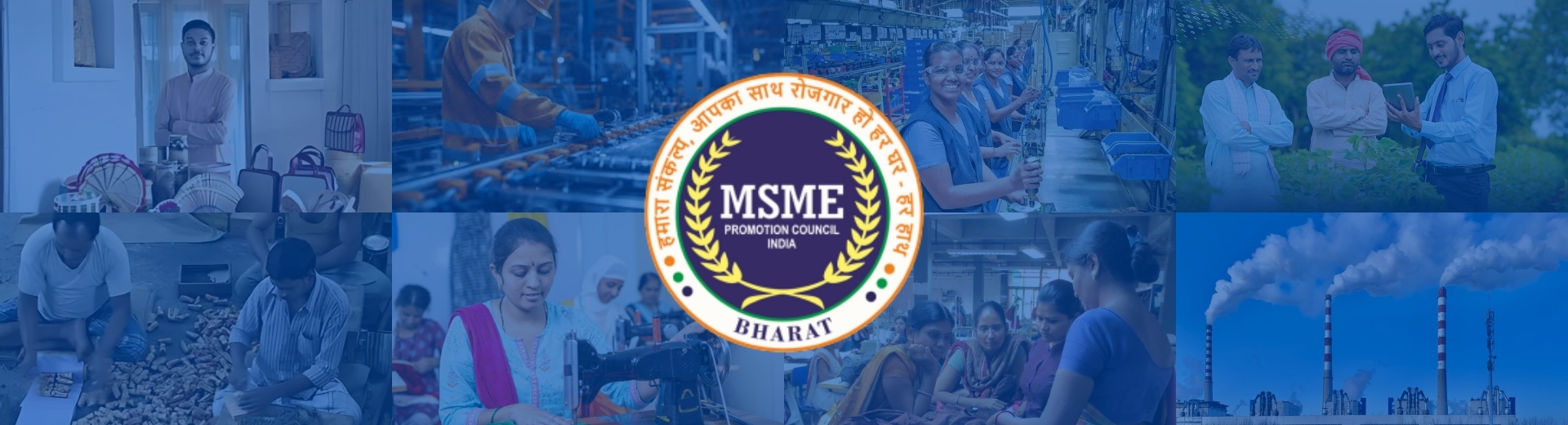
Garment stitching work Beneficiaries
Garment stitching and tailoring clusters employ millions of women and men, often in decentralised home and small-unit settings. Beneficiaries here include workers and micro-entrepreneurs who have gained orders, training, or market access through targeted programmes. MSME PCI recognises their contribution to apparel supply chains and local livelihoods.
The stitching economy
From school uniforms to export job work, stitching units bridge designers, brands, and end customers. Small units win when they improve pattern accuracy, delivery reliability, and ethical labour practices—topics increasingly important to buyers.
Typical beneficiary outcomes
Training beneficiaries may graduate to piece-rate contracts, cooperative branding, or own micro-labels. Interventions often combine machine handling, fabric knowledge, and basic costing so units do not underbid themselves into losses.
MSME PCI engagement
We highlight stitching beneficiaries to encourage skill respect and to connect clusters with broader MSME policy dialogue. Where possible, we link associations to quality and compliance resources relevant to garment trade.
Collaborate
SHGs, cooperatives, and training centres working in garment stitching may partner with MSME PCI for visibility and networking. Individual workers should also explore registration programmes that match their enterprise stage.